
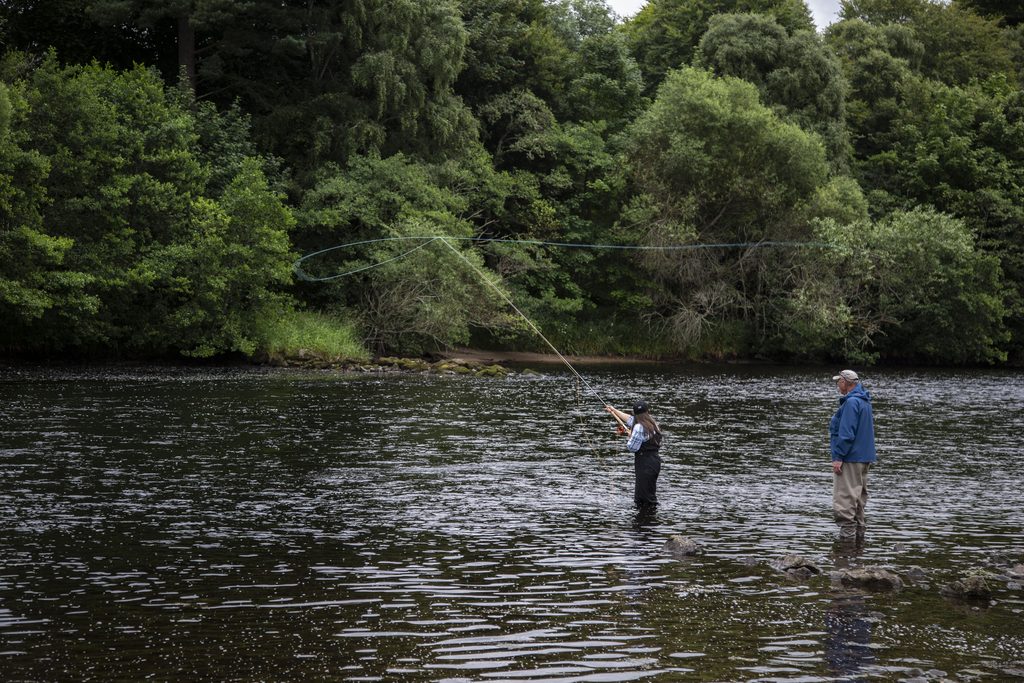
Where to Start and Why Qualified Instruction Matters
Have you ever wanted to learn to fly fish but felt unsure where to begin? Perhaps you have watched someone casting a fly rod on a beautiful Scottish river, seen anglers fishing for wild brown trout or Atlantic salmon, or simply wanted to try something new in the great outdoors.
Fly fishing is a rewarding skill that can provide years of enjoyment, but getting started can feel overwhelming. With different rods, reels, fly lines, knots, casting techniques and fishing methods to learn, knowing where to begin is often the hardest part.
The good news is that you do not need previous fishing experience to get started. With the right guidance, patience and structured fly fishing lessons, beginners can develop sound techniques and build confidence from their very first session.
If you are looking for fly fishing lessons in Inverness or the Scottish Highlands, here is what you should know before picking up a fly rod.
1. Start with professional fly fishing lessons
One of the best decisions a beginner can make is to learn from a suitably qualified fly fishing instructor.
It can be tempting to ask a friend to show you the basics or book a lesson with someone who advertises themselves as a casting instructor. Although many experienced anglers have excellent fishing knowledge, being an accomplished angler does not automatically mean someone is qualified to teach fly casting or fly fishing.
Casting instruction requires a different set of skills. A good instructor needs to understand casting mechanics, recognise faults, explain why they occur and demonstrate how to correct them. They should also be able to adapt their teaching to suit your ability, learning style and individual goals.
Before booking a lesson, ask the instructor about their qualifications and professional training.
Recognised qualifications and certification pathways in the UK include:
- Scottish Game Angling Instructors’ Certification (SGAIC) — a recognised Scottish qualification pathway for angling instructors. https://www.sgaic.co.uk/
- Fly Fishers International (FFI) — an international organisation offering casting instructor certification, including Certified Instructor (CI) and Two-Handed Casting Instructor (THCI). https://www.flyfishersinternational.org/
- Other recognised professional instructor pathways, such as AAPGAI, APGAI and GAIA, depending on the instructor’s discipline and qualifications. https://www.aapgai.co.uk/
These qualifications have different standards, scopes and assessment requirements. Ask which qualification the instructor holds, what it covers and whether it is relevant to the instruction you are booking.
It is also sensible to check that the instructor has appropriate insurance, suitable first-aid provision and a clear approach to health and safety.
Do not be afraid to ask questions before booking. A professional instructor should be happy to explain their qualifications, experience and teaching approach. Your first lesson should be an opportunity to learn in a supportive, safe and structured environment.
2. What should you learn in your first fly fishing lesson?
A good beginner’s lesson should focus on building a foundation rather than trying to teach everything at once.
Understanding your fly fishing equipment
You will begin by learning about the basic equipment, including the fly rod, reel, fly line, leader and artificial fly. Understanding how these components work together makes the learning process much easier.
You should also learn how to handle and assemble your equipment correctly, look after it and understand the importance of eye protection and safe casting practices.
Learning the fundamentals of fly casting
Fly casting is not simply a matter of waving a rod backwards and forwards. It involves controlling the rod, creating a suitable casting loop and managing the fly line.
A qualified instructor can introduce the fundamentals progressively, helping you understand the timing, rod movement and line control required to make an effective cast.
Rather than chasing distance, beginners should concentrate on accuracy, control and consistency. Developing good habits early can save considerable frustration later.
Understanding basic knots and fly selection
You will also benefit from learning how to attach a leader and fly, tie suitable knots and understand why different artificial flies are used.
For example, dry flies imitate insects floating on the water’s surface, while nymphs represent aquatic insects beneath the surface. Learning these differences provides a starting point for understanding how trout and other fish feed.
Learning about safety and the environment
Responsible fly fishing includes understanding the water you are fishing, recognising hazards, respecting other anglers and following local fishing regulations.
In Scotland, access rights do not automatically grant permission to fish. You must establish the relevant fishing permissions and comply with the rules for the particular water.
These practical considerations are just as important as learning to cast.
3. Should beginners learn to cast before going fishing?
In most cases, yes. Starting with a dedicated casting lesson is an excellent way to develop confidence before tackling the additional challenges of fishing on a river or loch.
On your first outing, it is easy to become distracted by the water, fish, flies and surrounding scenery. If you are still struggling to control your line, it can be difficult to concentrate on everything else.
A structured casting lesson allows you to focus on the essentials without the pressure of catching a fish.
Once you have developed a reasonable foundation, you can begin applying those skills to fishing situations. You will learn how to present a fly, manage your line, approach the water and understand where fish might be feeding.
Remember that progress varies from person to person. Some beginners develop confidence quickly, while others benefit from several shorter sessions. There is no need to rush.
4. Why learning from an unqualified instructor can be a problem
Fly fishing is often taught informally, and there are many experienced anglers who enjoy sharing their knowledge. However, teaching effectively requires more than personal fishing experience.
An instructor who has not received appropriate training may struggle to identify the cause of a casting fault or explain how to correct it. Poor habits can become ingrained, making future progress more difficult.
You should also consider whether the person teaching you understands safe instruction, appropriate equipment and how to adapt a lesson to different abilities.
This is not about dismissing every angler who lacks a formal qualification. It is about making an informed choice when paying for professional instruction.
If you are booking a professional fly fishing lesson, ask about qualifications before committing your money. Look for evidence of recognised instructor training, relevant experience, insurance and a clear teaching structure.
Choosing a qualified instructor gives you a stronger starting point and greater confidence that your lesson is designed around learning, not simply watching someone else cast.
5. Is fly fishing difficult for beginners?
Fly fishing has a learning curve, but it is a skill that can be developed through practice and good instruction.
You do not need to be especially strong, exceptionally athletic or naturally gifted. What matters most is patience, willingness to learn and an understanding of the basic principles.
Your first goal should not be to cast across a river or catch a large salmon. It should be to develop a controlled cast, understand your equipment and enjoy the process of learning.
As your confidence improves, you can explore different techniques, including dry fly fishing, nymphing and fishing with streamers. Later, you may wish to progress to salmon fishing with a double-handed rod or explore the challenges of Spey casting.
Learning step by step makes the experience more enjoyable and gives you a solid foundation for the future.
6. Why learn to fly fish in Inverness and the Scottish Highlands?
Inverness is an excellent starting point for anyone interested in exploring fly fishing in Scotland.
The surrounding Highlands offer a wide variety of fishing environments, from rivers and lochs to smaller streams and remote waters. Depending on the venue, season, permissions and conditions, anglers may have opportunities to pursue wild brown trout, Atlantic salmon and other species.
For beginners, the most important consideration is choosing a suitable learning environment. A casting lesson on an appropriate practice area can help you develop your technique before moving on to the more complex demands of fishing water.
The Scottish Highlands also offer something beyond the fishing itself: time outdoors, beautiful scenery and the opportunity to develop a skill that can be enjoyed for a lifetime.
Whether you are a local resident, visiting Scotland on holiday or looking for a new outdoor hobby, professional fly fishing tuition can help you take your first steps with confidence.
7. What should you look for when booking fly fishing lessons?
Before booking, consider asking these questions:
- What recognised fly casting or angling instructor qualifications do you hold?
- Are your qualifications appropriate for the lesson I want to book?
- Do you have experience teaching complete beginners?
- Is equipment provided, or should I bring my own?
- Do you have appropriate insurance and a clear safety procedure?
- Will the lesson focus on casting, fishing skills or both?
- How will you assess my progress and help me improve?
A professional instructor should welcome these questions and provide clear answers.
If you are comparing several instructors, look beyond price alone. The quality of the teaching, the instructor’s ability to communicate and the structure of the lesson can make a considerable difference to your experience.
Learn to fly fish with You Fish Scotland
At You Fish Scotland, we believe that good instruction is the foundation of enjoyable, responsible fly fishing.
Our approach is built around helping people understand the fundamentals, develop confidence and learn at a pace suited to their individual needs.
Wes Grant-Parke is an experienced full-time fishing guide with 18 years of professional guiding experience and qualifications including SGAIC, FFI Certified Instructor (CI) and FFI Two-Handed Casting Instructor (THCI).
These qualifications reflect formal training and assessment in relevant areas of angling and casting instruction. Combined with professional experience, they provide a foundation for delivering structured, informed tuition.
Whether you are completely new to fly fishing or want to improve your existing casting technique, the objective is to help you develop skills that you can continue to build on long after your lesson has finished.
Begin with the basics, ask questions, practise regularly and choose your instructor carefully.
Your fly fishing journey starts with the right foundations.
If you are interested in fly fishing lessons in Inverness or the Scottish Highlands, contact You Fish Scotland to discuss your experience, your goals and the most suitable starting point.
Visit: https://youfishscotland.com/
Frequently Asked Questions About Fly Fishing for Beginners
Can I learn to fly fish if I have never fished before?
Yes. Beginner lessons are designed to introduce you to the equipment, casting fundamentals and basic fishing knowledge without requiring previous experience.
Do I need to buy my own fly fishing equipment?
Not necessarily. Ask your instructor whether suitable rods, reels, lines and flies are included in the lesson before purchasing your own equipment.
How do I know if a fly fishing instructor is qualified?
Ask which recognised instructor qualifications they hold, what disciplines those qualifications cover and whether they can provide details of their professional training. You should also check insurance and safety arrangements.
Is an experienced angler automatically a good casting instructor?
Not necessarily. Fishing experience and teaching ability are different skills. Effective casting instruction requires the ability to explain technique, identify faults and help students correct them.
Where is a good place to start fly fishing in Scotland?
Inverness and the Scottish Highlands offer a range of fishing environments. Beginners should start with an appropriate casting practice area or a suitable venue selected with a qualified instructor, taking account of fishing permission, safety and local regulations.
How many fly fishing lessons will I need?
This depends on your starting point, learning pace and objectives. A single introductory lesson can establish the fundamentals, while additional tuition and regular practice can help you build consistency and progress to fishing situations.
What qualifications should I look for in a fly casting instructor?
Relevant recognised qualifications may include SGAIC, FFI casting instructor certifications, AAPGAI, APGAI or GAIA, depending on the discipline. Always confirm the specific qualification held and whether it covers the instruction you require.
You Fish Scotland — professional fly fishing guiding and instruction in Inverness and the Scottish Highlands.
Recent Comments